
VASCULAR CONDITION
Carotid Artery Disease Treatment
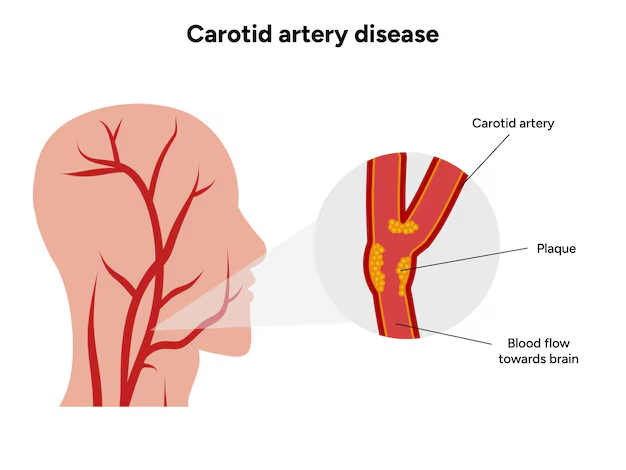
Carotid artery disease is a condition in which the carotid arteries supplying blood to the brain become narrowed or blocked due to plaque buildup. This can significantly increase the risk of stroke if not identified and managed appropriately.
What Is Carotid Artery Disease?
Carotid artery disease occurs when fatty deposits accumulate inside the carotid arteries, reducing blood flow to the brain. These arteries play a critical role in cerebral circulation, and narrowing can compromise oxygen delivery to brain tissue.
In some cases, plaque may rupture or cause clot formation, leading to transient ischemic attacks (TIAs) or stroke. Early detection and appropriate treatment are essential to reduce neurological complications.
Common Symptoms
- Sudden weakness or numbness of the face, arm, or leg
- Difficulty speaking or understanding speech
- Sudden vision loss or blurred vision
- Dizziness or loss of balance
- Transient ischemic attack (TIA) symptoms
When to See a Doctor
- Any sudden neurological symptoms
- History of TIA or stroke
- Known carotid artery narrowing on imaging
- Risk factors such as diabetes, smoking, or heart disease
- Unexplained episodes of weakness or vision changes
Causes and Risk Factors
Carotid artery disease develops due to progressive atherosclerosis affecting the arteries that supply the brain.
Risk factors include:
- High blood pressure
- Diabetes
- High cholesterol
- Smoking
- Increasing age
- Obesity and sedentary lifestyle
- Family history of cardiovascular disease
Diagnosis and Evaluation
Diagnosis focuses on identifying the degree of carotid artery narrowing and assessing stroke risk. Accurate evaluation guides treatment planning and helps prevent future neurological events.
Evaluation may include:
- Clinical examination and neurological assessment
- Carotid Doppler ultrasound
- CT or MR angiography
- DSA Cerebral angiography in selected cases
- 2D echo
Treatment Options
Treatment of carotid artery disease aims to reduce stroke risk by improving blood flow to the brain and stabilizing arterial plaques. Management is individualized based on the severity of narrowing and patient risk profile.
Treatment options may include:
- Medical management and risk factor control
- Antiplatelet and supportive therapy
- Image-guided carotid interventions
- Carotid artery stenting in selected patients
Treatment decisions are made after careful clinical and imaging evaluation to ensure patient safety and optimal outcomes.
Role of Interventional Radiology
Interventional radiology plays an important role in the management of carotid artery disease by offering minimally invasive, image-guided treatment options. These procedures allow precise treatment of narrowed carotid arteries while minimizing surgical trauma.
In appropriately selected patients, interventional radiology techniques may reduce recovery time and procedural risk compared to traditional open surgery.
Frequently Asked Questions
Is carotid artery disease dangerous?
Yes. Significant narrowing of the carotid arteries increases the risk of stroke. Early diagnosis and treatment help reduce this risk.
Does carotid artery disease always cause symptoms?
No. Many patients have no symptoms until a TIA or stroke occurs, which is why screening is important in high-risk individuals.
Can carotid artery disease be treated without surgery?
Some cases are managed with medical therapy alone. Image-guided procedures may be recommended in selected patients with significant narrowing.
Is carotid stenting safe?
Carotid stenting is considered safe and effective in appropriately selected patients when performed by experienced specialists.
Can carotid artery disease recur after treatment?
Disease progression can occur over time. Regular follow-up and control of risk factors are important to reduce recurrence.