
ONCOLOGIC CONDITION
Liver Tumors (Hepatocellular Carcinoma) Treatment
Liver tumors are abnormal growths within the liver, of which hepatocellular carcinoma (HCC) is the most common primary liver cancer. Management depends on tumor type, size, stage, liver function, and overall patient health.
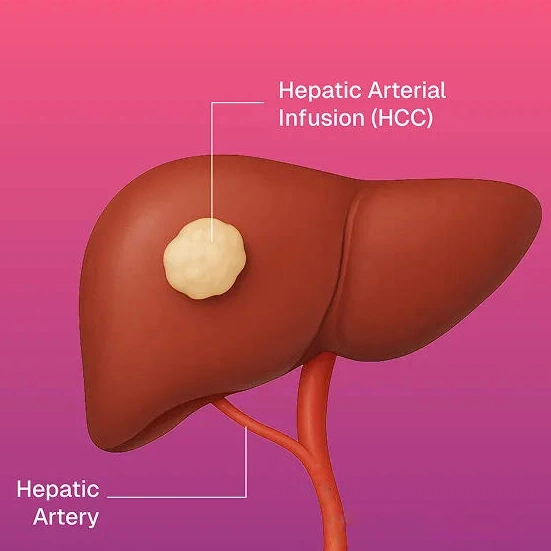
What Are Liver Tumors (HCC)?
Liver tumors may be benign or malignant. Hepatocellular carcinoma (HCC) is a malignant tumor that usually develops in the setting of chronic liver disease or cirrhosis.
Early-stage tumors may not cause symptoms and are often detected on imaging performed for liver disease surveillance. Timely diagnosis allows for a wider range of treatment options and improved outcomes.
Common Symptoms
- Abdominal pain or discomfort, especially in the right upper abdomen
- Unexplained weight loss
- Loss of appetite
- Fatigue or weakness
- Abdominal swelling due to fluid accumulation
- Jaundice (yellowing of skin or eyes)
When to See a Doctor
- Known chronic liver disease with new symptoms
- Unexplained abdominal pain or weight loss
- Worsening liver function tests
- Detection of a liver lesion on imaging
- Sudden abdominal pain or signs of internal bleeding
Causes and Risk Factors
Hepatocellular carcinoma usually develops in the setting of long-standing liver injury.
Risk factors include:
- Liver cirrhosis
- Chronic hepatitis B or C infection
- Alcohol-related liver disease
- Non-alcoholic fatty liver disease
- Exposure to liver toxins
- Family history of liver cancer
Diagnosis and Evaluation
Diagnosis of liver tumors focuses on identifying tumor characteristics and assessing liver function to guide treatment planning.
Evaluation may include:
- Clinical examination and laboratory tests
- Ultrasound of the liver
- Contrast-enhanced CT or MRI
- Tumor marker evaluation (when appropriate)
- Image-guided biopsy in selected cases
Treatment Options
Treatment of liver tumors depends on tumor stage, liver reserve, and patient condition. A multidisciplinary approach is often required.
Treatment options may include:
- Medical and systemic therapies
- Image-guided tumor ablation RFS MWA CRYO
- Transarterial therapies for tumor control TACE TARE
- Embolization for tumor-related bleeding TACE
- Palliative interventions for advanced disease
Treatment decisions are individualized after detailed clinical and imaging assessment.
Role of Interventional Radiology
Interventional radiology plays an important role in the management of liver tumors by offering minimally invasive, image-guided therapies that target tumors while preserving healthy liver tissue.
These procedures may be used as primary treatment in selected cases, to control disease progression, or as supportive therapy to manage complications related to liver tumors.
Frequently Asked Questions
Are all liver tumors cancerous?
No. Some liver tumors are benign, while others are malignant. Imaging and evaluation help determine the nature of the tumor.
Is surgery always required for liver cancer?
Surgery is not always possible. Minimally invasive, image-guided treatments may be suitable in selected patients.
Can liver tumors be treated without open surgery?
Yes. Many liver tumors are managed with image-guided procedures depending on tumor characteristics and liver function.
Does treatment cure liver cancer?
Outcomes depend on tumor stage and liver health. Treatment aims to control disease, relieve symptoms, and improve survival when possible.
Is follow-up required after treatment?
Yes. Regular follow-up imaging and evaluation are essential to monitor treatment response and detect recurrence.