
VASCULAR CONDITION
Leg Ulcers Treatment
Leg ulcers are open sores that develop on the skin of the lower leg, most commonly due to underlying problems with blood circulation. They can be painful, slow to heal, and may recur if the underlying cause is not properly treated.
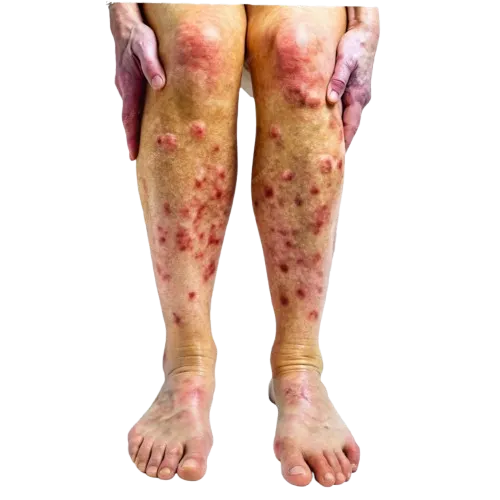
What Are Leg Ulcers?
Leg ulcers are chronic wounds that usually occur when blood flow in the legs is impaired. Poor circulation prevents adequate oxygen and nutrients from reaching the skin, leading to tissue breakdown and delayed healing.
These ulcers most often affect the area around the ankles or lower legs and may persist for weeks or months without appropriate treatment. Identifying and addressing the underlying vascular cause is essential for effective healing.
Common Symptoms
- Open wound on the lower leg or ankle
- Persistent pain or discomfort
- Swelling around the affected area
- Skin discoloration or hardening near the ulcer
- Fluid discharge or crusting
- Delayed or poor wound healing
When to See a Doctor
- A wound that does not heal within a few weeks
- Increasing pain, redness, or swelling
- Signs of infection such as discharge or foul odor
- Sudden worsening of swelling or skin changes
- History of varicose veins, diabetes, or vascular disease
Causes and Risk Factors
Leg ulcers develop when circulation problems damage the skin and prevent normal healing.
Common causes and risk factors include:
- Chronic venous insufficiency
- Varicose veins
- Peripheral arterial disease
- Diabetes and diabetic foot disease
- Previous deep vein thrombosis
- Advanced age
- Obesity and reduced mobility
- Previous leg injury or surgery
Diagnosis and Evaluation
Evaluation focuses on identifying the cause of the ulcer and assessing blood flow to the affected limb. Proper diagnosis is critical to guide treatment and prevent recurrence.
Assessment may include:
- Detailed clinical examination
- Evaluation of venous and arterial circulation
- Doppler ultrasound imaging
- Assessment for infection or underlying medical conditions
- Additional imaging when required to guide management
Treatment Options
Treatment of leg ulcers is directed at both wound healing and correction of the underlying vascular problem. Management is individualized based on ulcer type, severity, and overall health of the patient.
Treatment options may include:
- Wound care and dressings
- Compression therapy for venous ulcers
- Medical management of underlying conditions
- Image-guided vascular interventions for circulation problems
- Advanced therapies for non-healing or complex ulcers
Effective treatment requires ongoing follow-up to ensure healing and reduce the risk of recurrence.
Role of Interventional Radiology
Interventional radiology plays an important role in managing leg ulcers caused by vascular disease. Image-guided procedures can improve blood flow in veins or arteries through minimally invasive techniques, addressing the root cause of poor wound healing.
By restoring circulation, these procedures can promote ulcer healing, reduce symptoms, and help prevent future ulcers in selected patients.
Related treatments may include image-guided vascular interventions.
Frequently Asked Questions
Are leg ulcers serious?
Leg ulcers can become serious if left untreated, especially if they become infected or fail to heal. Early evaluation helps prevent complications.
Why do leg ulcers take a long time to heal?
Poor circulation limits oxygen and nutrient delivery to the skin, which slows the natural healing process.
Can leg ulcers heal without surgery?
Many ulcers heal with appropriate wound care and medical treatment. Image-guided procedures may be required if circulation problems are present.
Do leg ulcers always come back?
Recurrence is possible, especially if underlying circulation problems persist. Treating the cause and regular follow-up reduce recurrence risk.
When should I seek urgent medical care?
If there is increasing pain, signs of infection, sudden swelling, or rapid worsening of the ulcer, medical evaluation is required.