
VASCULAR CONDITION
Peripheral Artery Disease (PAD) Treatment
Peripheral artery disease (PAD) is a condition in which narrowed or blocked arteries reduce blood flow to the limbs, most commonly the legs. It can cause pain while walking, delayed wound healing, and may increase the risk of serious complications if not treated appropriately.
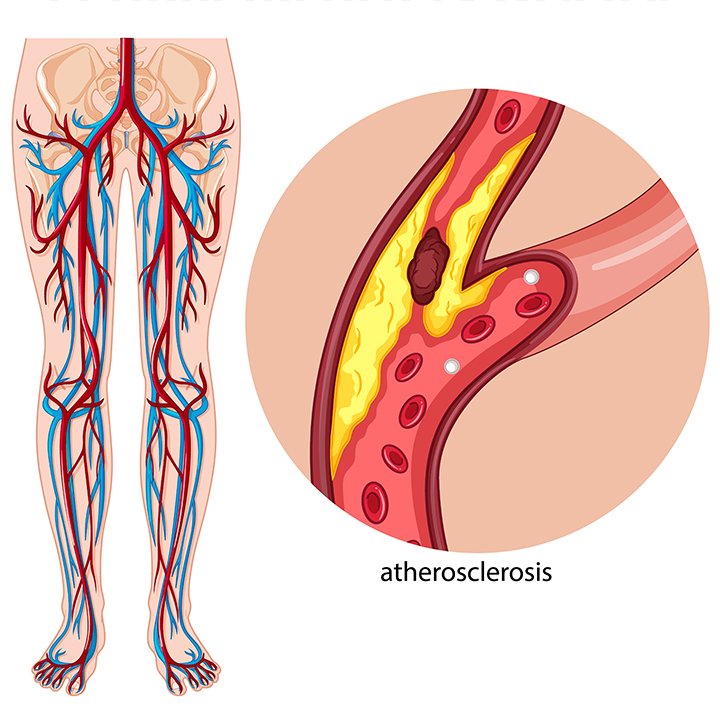
What Is Peripheral Artery Disease?
Peripheral artery disease occurs when fatty deposits build up inside the arteries, leading to reduced blood flow to the limbs. This reduced circulation limits oxygen delivery to muscles and tissues, especially during activity.
PAD is a progressive condition and is often associated with other cardiovascular diseases. Early diagnosis and management are important to relieve symptoms and prevent complications such as non-healing wounds or limb-threatening ischemia.
Common Symptoms
- Leg pain or cramping while walking (claudication)
- Pain that improves with rest
- Coldness or numbness in the legs or feet
- Weak or absent pulses in the legs
- Slow-healing wounds on the feet or legs
- Skin color changes or hair loss on the legs
- Rest Pain
When to See a Doctor
- Leg pain during walking or exercise
- Non-healing sores or ulcers on the feet
- Increasing leg pain at rest
- Sudden worsening of limb pain or color change
- History of diabetes, smoking, or heart disease
- Rest Pain
Causes and Risk Factors
PAD develops due to narrowing or blockage of arteries supplying the limbs.
Risk factors include:
- Smoking
- Diabetes
- High blood pressure
- High cholesterol
- Increasing age
- Obesity and sedentary lifestyle
- Family history of vascular disease
Diagnosis and Evaluation
Diagnosis of PAD involves evaluating symptoms and assessing blood flow to the limbs. Identifying the location and severity of arterial narrowing helps guide treatment decisions.
Evaluation may include:
- Clinical examination and pulse assessment
- Ankle-brachial index (ABI) testing
- Doppler ultrasound imaging
- CT or MR angiography when required
- Angiography for detailed vascular assessment
Treatment Options
Treatment of peripheral artery disease aims to improve blood flow, relieve symptoms, and reduce the risk of complications. Management is individualized based on disease severity and overall health.
Treatment options may include:
- Lifestyle modification and risk factor control
- Medical therapy to improve circulation
- Supervised exercise programs
- Image-guided arterial interventions
- Angioplasty and stenting in selected cases
Treatment decisions are made after clinical evaluation and imaging, with the goal of improving mobility and preventing disease progression.
Role of Interventional Radiology
Interventional radiology plays an important role in the management of peripheral artery disease by providing minimally invasive, image-guided treatments to restore blood flow. These procedures are performed through small access points and target the narrowed or blocked arteries directly.
Compared to open surgery, interventional radiology techniques may offer shorter recovery times and reduced procedural risk in appropriately selected patients.
Frequently Asked Questions
Is peripheral artery disease a serious condition?
PAD can become serious if untreated, especially if it leads to poor wound healing or critical limb ischemia. Early treatment helps reduce complications.
Can PAD be treated without surgery?
Many patients are managed with medical therapy and lifestyle changes. Minimally invasive procedures may be considered when symptoms persist.
Does PAD always cause pain?
Not always. Some patients may have reduced blood flow without noticeable symptoms, which is why evaluation is important for high-risk individuals.
How long does recovery take after treatment?
Recovery depends on the treatment approach used. Minimally invasive procedures generally allow faster recovery compared to open surgery.
Can PAD return after treatment?
PAD can progress over time, especially if risk factors remain uncontrolled. Ongoing follow-up and lifestyle management are important.