
GYNECOLOGIC and OBSTETRIC CONDITION
Uterine Fibroids & Pelvic Bleeding Treatment
Uterine fibroids are non-cancerous growths that develop within or around the uterus. They are common in women of reproductive age and may cause symptoms such as heavy menstrual bleeding, pelvic pain, or pressure effects, depending on their size and location.
Uterine AVM , post traumatic or post delivery pelvic bleeding are life threating condition requiring management like embolization
What Are Uterine Fibroids?
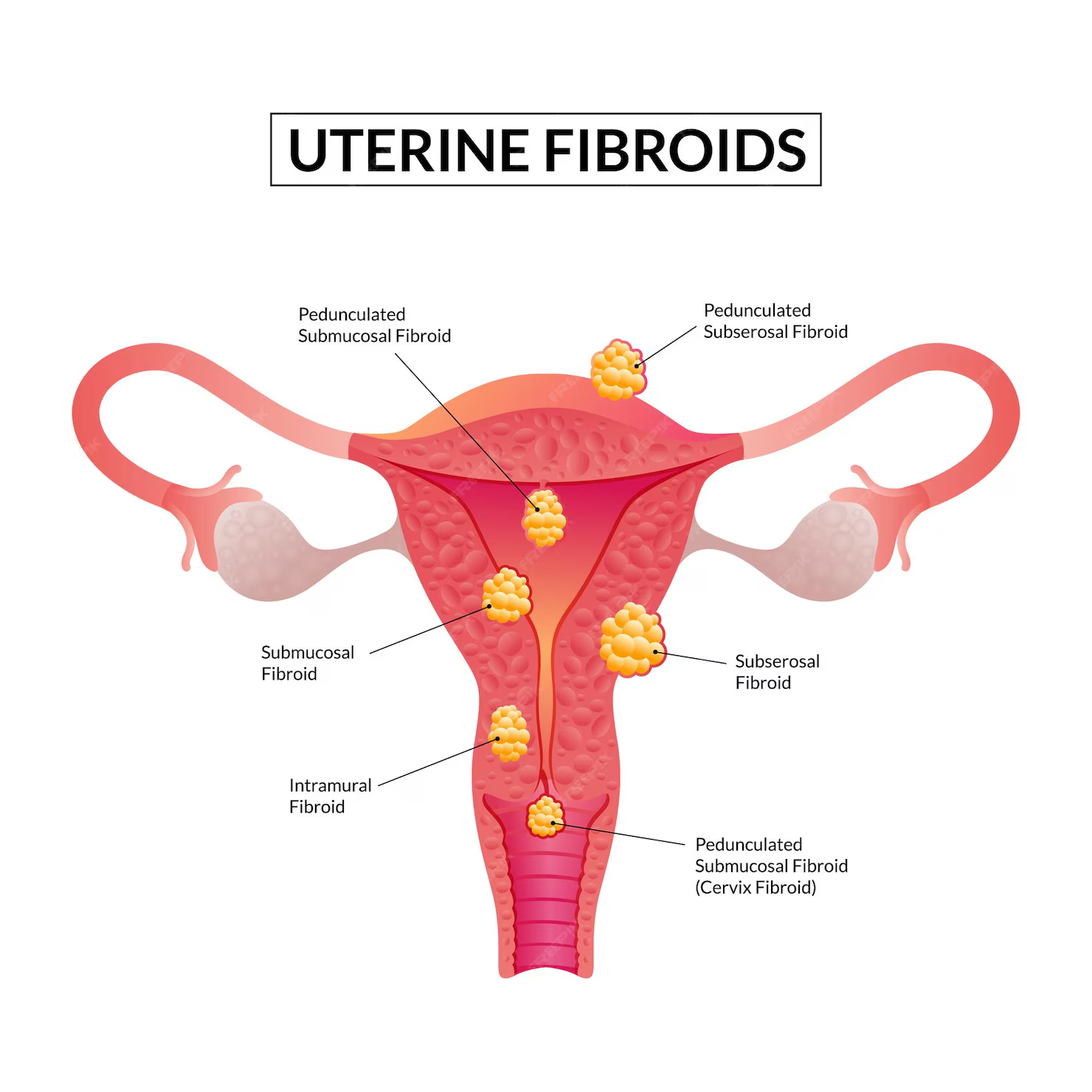
Uterine fibroids, also known as leiomyomas, are benign tumors arising from the muscle layer of the uterus. They can vary widely in size, number, and location, including within the uterine wall, on the outer surface, or inside the uterine cavity.
Many fibroids remain asymptomatic and are discovered incidentally, while others may lead to significant symptoms that affect daily activities and quality of life.
Common Symptoms
- Heavy or prolonged menstrual bleeding
- Pelvic pain or pressure
- Abdominal fullness or bloating
- Frequent urination or difficulty emptying the bladder
- Constipation or bowel discomfort
- Pain during intercourse
When to See a Doctor
- Heavy menstrual bleeding affecting daily life
- Persistent pelvic pain or pressure
- Rapid increase in abdominal size
- Anemia related to blood loss
- Fibroids detected on imaging requiring evaluation
- Uterine AVM PPH Bleeding
Causes and Risk Factors
The exact cause of uterine fibroids is not fully understood, but several factors influence their development.
Risk factors include:
- Hormonal influences, particularly estrogen and progesterone
- Family history of fibroids
- Increasing age during reproductive years
- Obesity
- Early onset of menstruation
- Post delivery after placental retention
- AVM in uterus
Diagnosis and Evaluation
Diagnosis focuses on confirming the presence, size, and location of fibroids to guide treatment planning.
Evaluation may include:
- Gynecologic examination
- Pelvic ultrasound
- MRI for detailed assessment when required
- Blood tests to evaluate anemia
- Additional imaging to plan treatment
Treatment Options
Treatment of uterine fibroids depends on symptom severity, fibroid characteristics, and patient preferences. Management is individualized.
Treatment options may include:
- Observation and medical management for mild symptoms
- Hormonal therapies to control bleeding
- Image-guided minimally invasive procedures
- Uterine fibroid embolization
- Embolization of AVM Bleeding
Treatment decisions are made after careful clinical and imaging evaluation.
Role of Interventional Radiology
Interventional radiology plays an important role in the management of uterine fibroids by offering minimally invasive, image-guided treatment options. Uterine fibroid embolization targets the blood supply to fibroids, leading to symptom improvement while preserving the uterus.
This approach may be suitable for selected patients seeking alternatives to open surgery.
Frequently Asked Questions
Are uterine fibroids cancerous?
No. Uterine fibroids are benign and are not cancerous.
Do all uterine fibroids require treatment?
No. Many fibroids do not cause symptoms and may only require monitoring.
Can uterine fibroids be treated without surgery?
Yes. Minimally invasive, image-guided procedures may be suitable for selected patients.
Will treatment affect fertility?
Fertility considerations depend on the type of treatment and individual circumstances. This should be discussed during evaluation.
Can fibroids return after treatment?
New fibroids can develop over time, and follow-up is important to monitor symptoms.