
VASCULAR CONDITION
Vascular Malformations Treatment
Vascular malformations are abnormal connections or formations of blood vessels that are present from birth and may involve arteries, veins, capillaries, or a combination of these. Symptoms and treatment depend on the type, size, and location of the malformation.
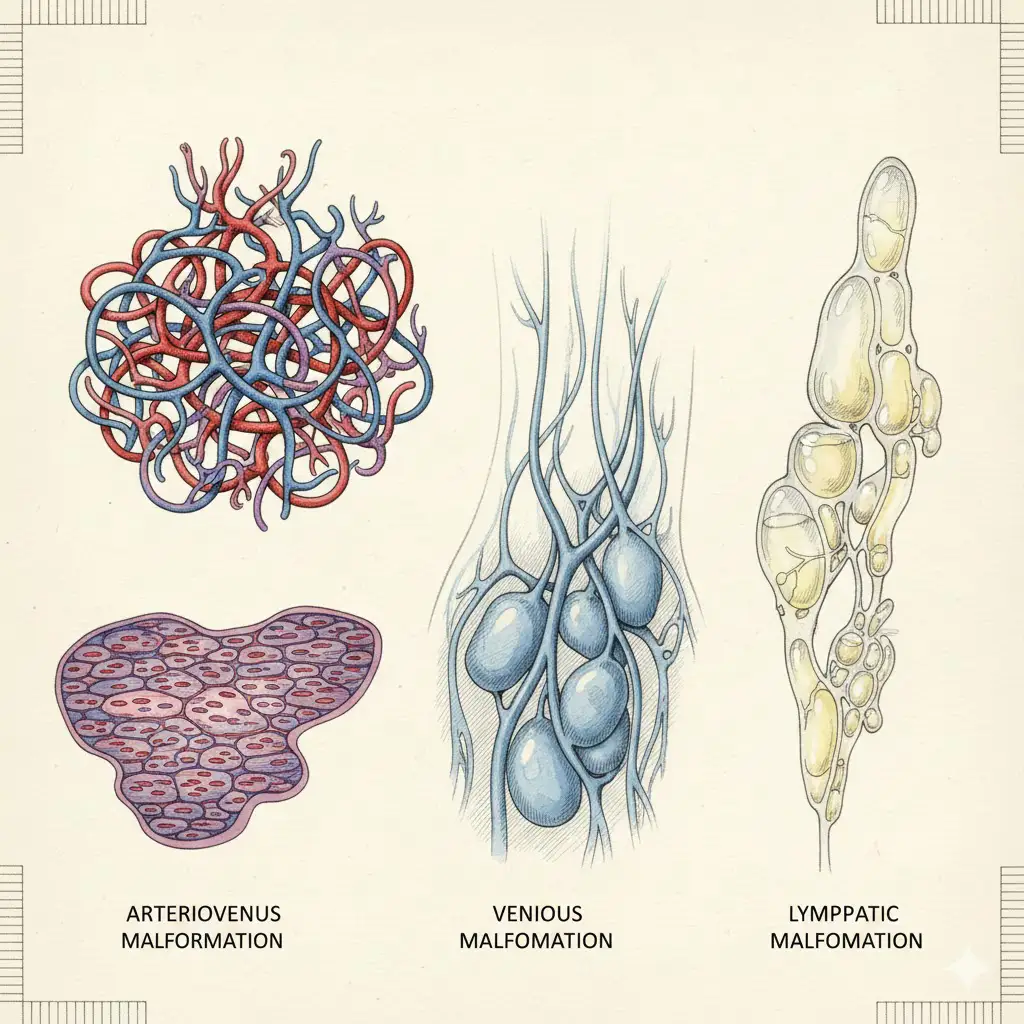
What Are Vascular Malformations?
Vascular malformations are congenital abnormalities of the blood vessels that develop during fetal growth. Unlike tumors, they do not grow rapidly but may enlarge over time or become symptomatic due to hormonal changes, trauma, or increased blood flow demands.
These malformations can occur anywhere in the body, including the skin, muscles, bones, and internal organs. Accurate diagnosis is essential to determine the type of malformation and guide appropriate management.
Common Symptoms
- Swelling or visible abnormal blood vessels
- Pain or discomfort in the affected area
- Skin discoloration or warmth
- Recurrent bleeding from the lesion
- Functional impairment depending on location
- Cosmetic concerns in visible areas
When to See a Doctor
- Increasing size or pain of a vascular lesion
- Recurrent bleeding or ulceration
- Symptoms affecting daily activities
- New or worsening symptoms over time
- Vascular lesions present since birth requiring evaluation
Causes and Risk Factors
Vascular malformations result from abnormal blood vessel development before birth.
Key factors include:
- Congenital vascular development errors
- Genetic influences in some cases
- Hormonal changes that may worsen symptoms
- Trauma or infection triggering symptom progression
Diagnosis and Evaluation
Diagnosis focuses on identifying the type and extent of the vascular malformation to guide treatment planning.
Evaluation may include:
- Detailed clinical examination
- Doppler ultrasound assessment
- MRI or CT imaging to define anatomy
- DSA Angiography in selected cases
- Evaluation of blood flow characteristics
Treatment Options
Treatment of vascular malformations depends on symptoms, location, and flow characteristics. Not all malformations require intervention, and management is individualized.
Treatment options may include:
- Observation and monitoring for asymptomatic lesions
- Image-guided sclerotherapy
- Embolization of abnormal vessels
- Combined or staged treatments for complex malformations
- Supportive care for symptom control
The goal of treatment is symptom relief, functional improvement, and prevention of complications.
Role of Interventional Radiology
Interventional radiology plays a central role in the management of vascular malformations by providing minimally invasive, image-guided treatments. These procedures allow precise targeting of abnormal vessels while preserving surrounding healthy tissue.
Image-guided interventions may reduce symptoms, control bleeding, and improve quality of life in appropriately selected patients.
Frequently Asked Questions
Are vascular malformations cancerous?
No. Vascular malformations are not cancerous, but they can cause symptoms and complications depending on their size and location.
Do vascular malformations always need treatment?
Not always. Some malformations remain stable and do not cause symptoms, while others may require treatment.
Can vascular malformations recur after treatment?
Some malformations may require repeat or staged treatments over time, depending on their complexity.
Is treatment painful?
Is treatment painful?
Can vascular malformations be treated without surgery?
Many vascular malformations are managed with image-guided, minimally invasive procedures rather than open surgery.